
You list your home.The photos look great. The sign goes in the yard. The listing goes live.And then you wait.A few days pass. Maybe you've had some showings, but no offers. Then a week passes. Then

Dated: August 17 2026
Views: 11
When shopping for a home, it’s easy to focus on the features that make an immediate impression: a beautiful kitchen, updated bathrooms, an open floor plan, or a spacious primary suite.
But some of the best features in a home aren't necessarily the ones that make buyers stop scrolling through listing photos.
They're the features homeowners begin appreciating after moving in and experiencing them every day.
Recent buyer-preference data reflects this focus on function. The National Association of Home Builders reports that laundry rooms, storage, patios, energy-efficient features, and other practical amenities continue to rank highly among buyers. Zillow's 2025 search data also found buyers increasingly looking for homes that support their lifestyle rather than simply offering more square footage.
Here are some of the home features that may not always steal the show during a showing—but can make a big difference once you actually live there.
A beautiful kitchen may get more attention in listing photos, but ask homeowners what they use constantly and the laundry room quickly enters the conversation.
A dedicated space for washing, drying, folding, sorting, and storing laundry can make an everyday chore considerably easier.
NAHB's research shows just how important this seemingly simple feature has become. Its 2024 buyer-preference survey found that 86% of buyers considered a laundry room either desirable or essential.
Location matters, too. A laundry area near bedrooms can reduce trips up and down stairs, while additional cabinets, countertops, hanging space, or a utility sink can make the room even more useful.
It may not be the most glamorous room in the house, but it's one homeowners can appreciate several times a week.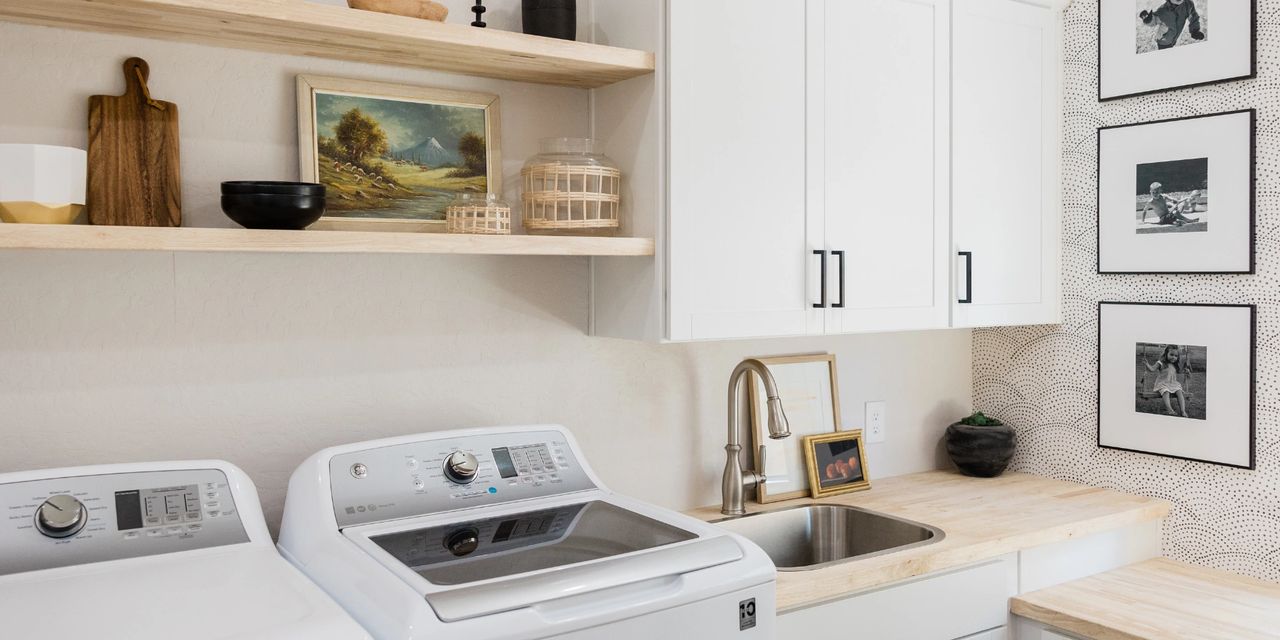
Empty closets can look enormous during a showing.
Then you move in.
Suddenly those closets need to hold coats, holiday decorations, cleaning supplies, luggage, sports equipment, bulk purchases, tools, toys, and everything else that comes with daily life.
That's when thoughtful storage starts feeling like a luxury.
NAHB reports that garage storage and walk-in closets are among the features many prospective buyers consider essential, while linen closets and walk-in pantries are also highly desired.
Useful storage can include:
A home doesn't necessarily need to be bigger if the space it has is designed to work harder.
The front entrance may be the one guests see, but it isn't necessarily the door homeowners use every day.
A practical entrance from the garage or driveway can quickly become one of the hardest-working areas of the house.
Space for shoes, coats, backpacks, groceries, pet supplies, and Michigan's assortment of winter boots can prevent clutter from spreading throughout the rest of the home.
A mudroom, drop zone, bench, coat hooks, or even a well-placed closet can seem like a small detail during a showing. Once you're coming home with an armful of groceries during a February snowstorm, it can feel considerably more important.
A garage isn't valuable only because it gives you somewhere to park.
After moving in, homeowners often discover just how many jobs the garage needs to perform.
It might become storage for bikes, lawn equipment, tools, sports gear, patio furniture, garbage bins, a snowblower, or a workshop—all while hopefully leaving enough room for the vehicles.
For Michigan homeowners in particular, covered parking also means fewer mornings scraping snow and ice from the windshield.
That extra garage space buyers barely noticed during their first tour can become one of the home's most frequently appreciated features.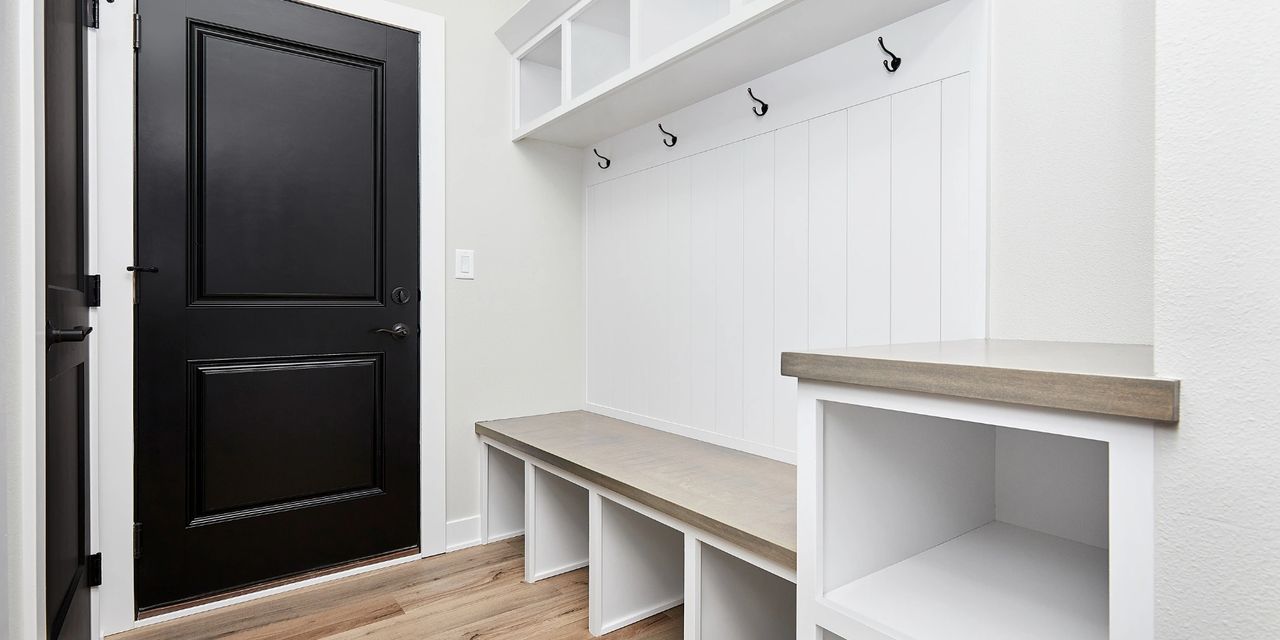
Nobody walks into a showing and says, “Look at all these perfectly placed electrical outlets.”
But homeowners certainly notice when they're missing.
Think about where you regularly need power:
The same goes for USB outlets, exterior electrical connections, EV charging capabilities, and other modern electrical features.
These details don't necessarily create an emotional first impression, but they can make everyday living considerably more convenient.
Buyers frequently notice that a home feels bright, but living there reveals something more important: how the light changes throughout the day.
Morning sunlight in the kitchen, natural light in a home office, or evening light across the living room can dramatically affect how a space feels and functions.
Window placement also influences how often homeowners need artificial lighting and how connected indoor spaces feel to the outdoors.
Sometimes the feature you end up loving isn't the window itself—it's what happens when the sun comes through it every morning.
A huge backyard can look impressive, but size isn't everything.
A smaller yard with a functional patio, privacy, shade, fencing, or easy access from the house may ultimately be more enjoyable than a large space that's difficult to maintain.
Buyer behavior continues to reflect the importance of outdoor living. Zillow's analysis of 2025 home searches found increasing interest in features such as patios, yards, views, and access to water, while separate Zillow research found outdoor features have remained desirable even as other pandemic-era housing trends faded.
Once homeowners start hosting cookouts, letting the dog outside, watching children play, gardening, or relaxing after work, functional outdoor space can become an extension of the home.
Energy-efficient features aren't always visually exciting.
You probably won't invite friends over specifically to admire your insulation.
But efficient windows, appliances, heating and cooling systems, insulation, thermostats, and lighting can become much more appreciated once monthly utility bills start arriving.
NAHB's buyer-preference research has consistently found energy-efficient features among those buyers value, including ENERGY STAR-rated windows and appliances and energy-efficient lighting.
For homeowners, the benefit isn't simply environmental. Efficiency can influence comfort and ongoing household expenses for years after closing.
A smart thermostat, video doorbell, smart lock, leak detector, or security system may feel like a bonus during a showing.
After moving in, the convenience can become part of everyday life.
Zillow's 2025 Consumer Housing Trends Report found security was the most important smart-home feature among prospective buyers surveyed. Smart locks also increased in importance from 2024 to 2025.
Being able to adjust the thermostat remotely, confirm whether you locked the door, monitor a package delivery, or receive an alert about a potential water leak are small conveniences that can provide significant peace of mind.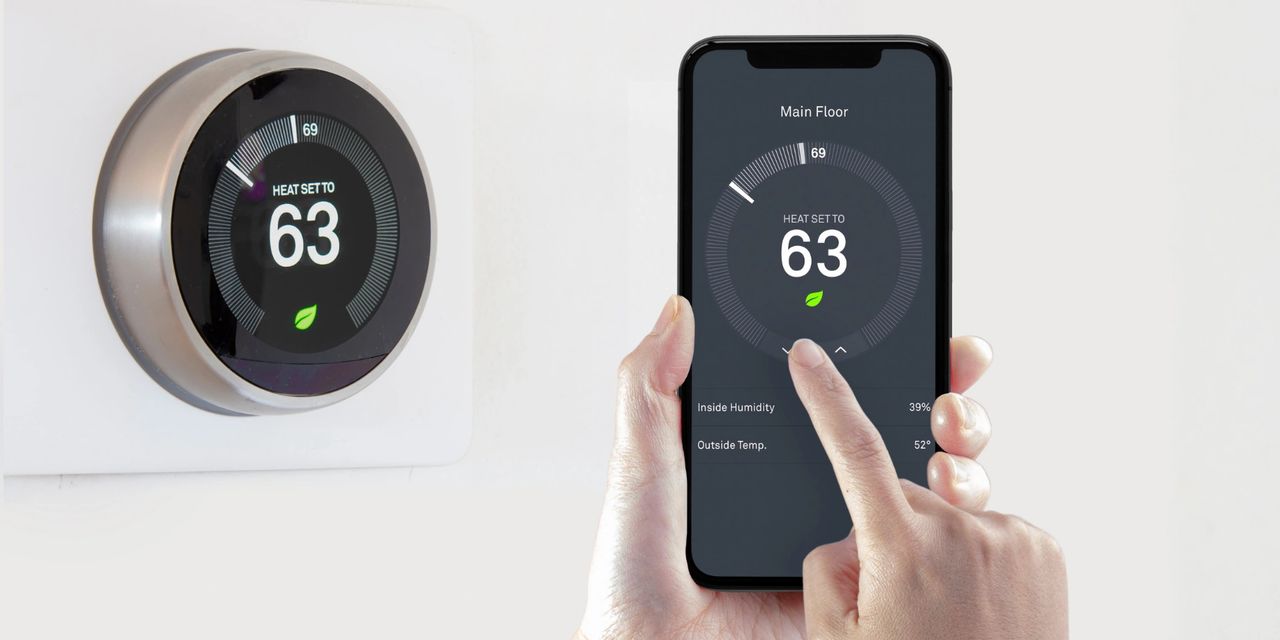
An impressive room isn't always a practical room.
Once buyers move in, traffic flow begins to matter. Where do groceries enter the house? How far is the laundry room from the bedrooms? Can people move through the kitchen without bumping into one another? Is there somewhere quiet to work while someone else watches television?
The best floor plans don't necessarily have the fewest walls or the most square footage.
They make everyday routines easier.
That's part of a larger shift we're seeing in buyer preferences. Zillow's analysis of millions of home searches in 2025 found growing interest in adaptable spaces and homes that support everyday lifestyles.
Sometimes your favorite feature is something that wasn't even on your original wish list.
It might be:
These features rarely determine a home's value by themselves.
But collectively, they influence something that's harder to quantify: how enjoyable the home is to live in.
There's an important takeaway here for homeowners preparing to sell.
Don't assume buyers only care about the obvious upgrades.
A renovated kitchen deserves attention, but so does the oversized pantry.
A beautiful primary suite should be showcased, but don't forget the second-floor laundry.
Professional staging can help buyers understand these everyday benefits. In NAR's 2025 Profile of Home Staging, 83% of buyers' agents said staging made it easier for buyers to visualize a property as their future home.
Good real estate marketing helps buyers understand not only what a home has, but why those features will make living there better.
That means highlighting practical features in listing photography, descriptions, video tours, social media marketing, and showings rather than assuming buyers will discover their value on their own.
The features that sell a buyer on a home and the features they eventually love most aren't always the same.
The show-stopping kitchen might create the initial emotional connection, but months later, it may be the mudroom, pantry, garage storage, natural light, backyard, or conveniently located laundry room that makes them think:
“I'm really glad our house has this.”
When you're buying a home, it's worth looking beyond what photographs beautifully.
Think about a normal Tuesday.
Where will you put the groceries? Where will the coats and shoes go? Where will you do laundry? Where will you store everything? How will you use the backyard? How will the home function when life gets busy?
Sometimes the best home features aren't the ones that impress you during the showing.
They're the ones that make your life easier long after the moving boxes are gone.
You list your home.The photos look great. The sign goes in the yard. The listing goes live.And then you wait.A few days pass. Maybe you've had some showings, but no offers. Then a week passes. Then
Fall has a way of making every unfinished home project suddenly feel urgent.The temperatures start dropping, winter is around the corner, and that running list of repairs and improvements you've
Ask homeowners when the best time to sell a house is, and there’s a good chance you’ll hear the same answer: spring.There’s a reason for that reputation. Warmer weather,
When shopping for a home, it’s easy to focus on the features that make an immediate impression: a beautiful kitchen, updated bathrooms, an open floor plan, or a spacious primary suite.But some
 Listing information is provided by Participants of the MichRIC MLS. IDX information is provided exclusively for personal, non-commercial use, and may not be used for any purpose other than to identify prospective properties consumers may be interested in purchasing. Information deemed reliable but not guaranteed. ©: MichRIC MLS. Last Update September 22, 2026 4:14 PM UTC
