
Ask homeowners when the best time to sell a house is, and there’s a good chance you’ll hear the same answer: spring.There’s a reason for that reputation. Warmer weather,

Dated: August 31 2026
Views: 6
Ask homeowners when the best time to sell a house is, and there’s a good chance you’ll hear the same answer: spring.
There’s a reason for that reputation. Warmer weather, longer days, improved curb appeal, and traditionally higher buyer activity can make spring an attractive time to put a home on the market.
But does that mean you should automatically wait until spring to sell?
Not necessarily.
The best time to sell isn't determined by the calendar alone. Your local housing market, competition, finances, moving plans, and personal circumstances can matter much more than whether it's March or November.
If you're considering selling your West Michigan home in the coming months, here are some things to consider before deciding to wait.
Spring traditionally brings increased real estate activity for several reasons.
Warmer weather makes moving easier, homes and landscaping tend to photograph well, and some families prefer to move between school years. More homeowners also decide to list, creating a larger selection of properties for buyers.
But there's an important detail hidden in that last advantage.
More buyers can also mean more sellers.
Waiting until spring may put your home in front of a larger pool of potential buyers, but it could also mean competing against more listings.
That's why seasonality should be considered alongside your specific local market—not used as the only reason to choose a listing date.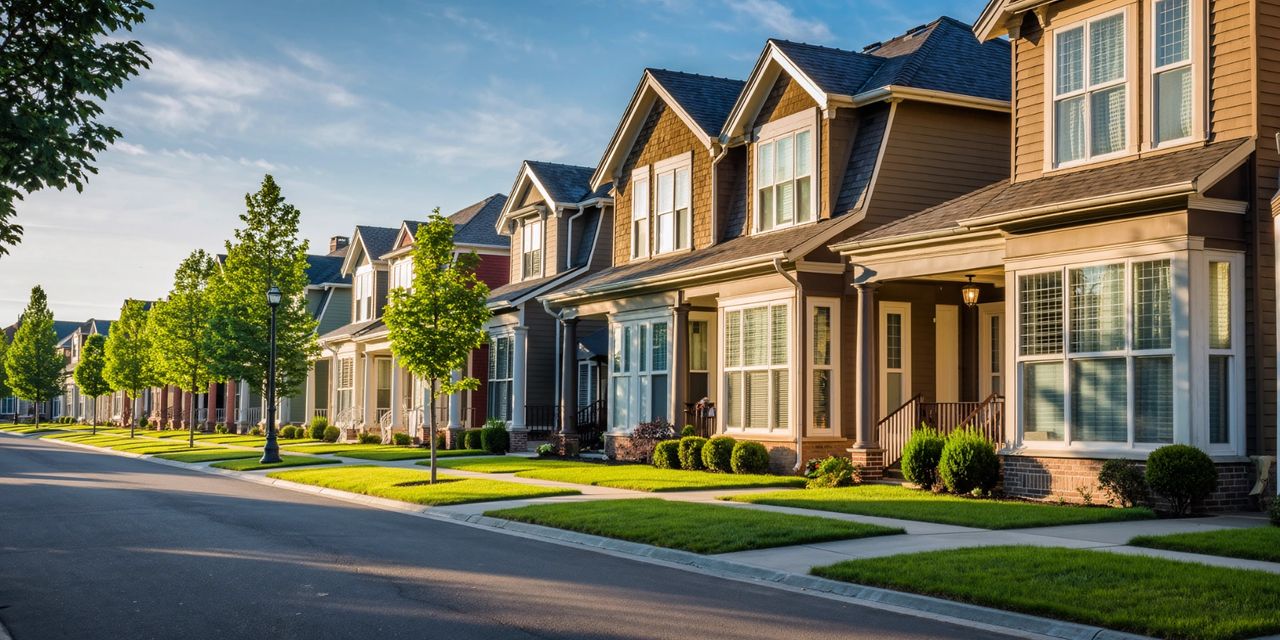
One potential advantage of selling outside the traditional spring market is reduced competition.
If fewer homeowners list during fall and winter, buyers who need to purchase may have fewer properties to choose from.
That doesn't guarantee a faster sale or higher price. But a well-priced, well-presented home can have an opportunity to attract attention without competing against as many fresh listings.
This can be particularly valuable if your property offers something buyers are already having difficulty finding in your local market.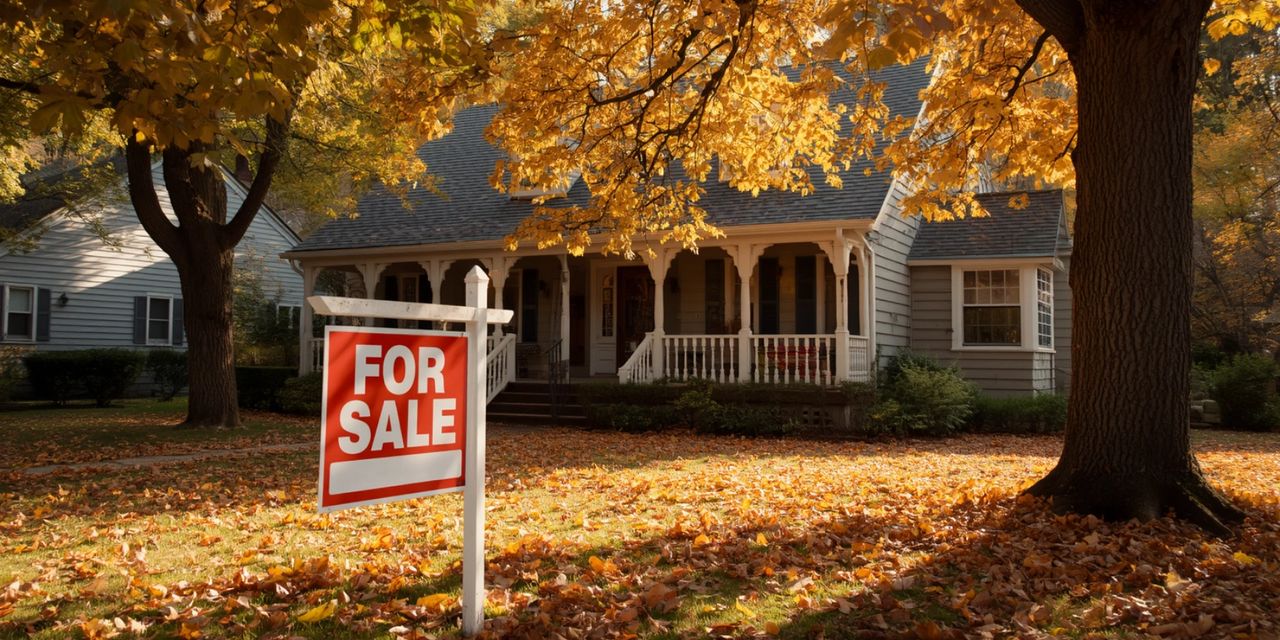
People buy homes because things happen in their lives—not because the calendar tells them it's officially home-buying season.
A buyer may need to move because of:
Those situations happen throughout the year.
Buyers searching during traditionally slower months may also have strong reasons for making a move rather than simply browsing what's available.
That means sellers shouldn't automatically assume there won't be serious buyers simply because spring has passed.
This is one of the most important questions to ask.
Nobody knows exactly what the housing market will look like several months from now.
Mortgage rates can change. Inventory can increase or decrease. Buyer demand can shift. Economic conditions can evolve. More homes could enter your neighborhood's market.
Your own circumstances can change, too.
Waiting until spring means you're making a trade: you're giving up the market you know today for the possibility of a better market later.
Sometimes that decision pays off. Sometimes it doesn't.
Rather than trying to perfectly predict the future, it can be more useful to evaluate whether selling under current conditions accomplishes your goals.
Sale price isn't the only financial consideration when deciding when to sell.
If you own the property for another six months, you may continue paying:
That doesn't automatically mean selling sooner is financially better. After all, you're also living in and benefiting from the home during that period.
But those expenses should be part of the calculation.
If you're waiting because you believe your home might sell for more in spring, compare the potential difference with the cost of continuing to own the property.
Michigan sellers understandably worry about how their homes will show when the lawn is covered in snow and the trees are bare.
Some properties certainly benefit from spring and summer presentation.
But colder months can showcase other features buyers care about.
A warm and inviting interior, fireplace, attached garage, mudroom, updated heating system, energy-efficient windows, finished basement, and comfortable entertaining spaces may become especially noticeable when temperatures drop.
Good photography and thoughtful staging can also help buyers understand what outdoor areas look like during warmer months.
If you already have quality summer photographs of your landscaping, patio, pool, gardens, or acreage, talk with your real estate professional about whether they can appropriately supplement your current listing photography.
Selling is only half of the equation if you're planning to buy another home.
Suppose your current house could sell for slightly more next spring—but the type of home you want to purchase also becomes more expensive.
Did waiting actually put you ahead?
Maybe. Maybe not.
Your decision should consider the entire move rather than focusing exclusively on maximizing the sale price of your current property.
Think about:
Sometimes the best time to sell is simply the time that makes the entire move work.
There are absolutely situations where waiting could be the better decision.
For example, waiting may make sense if:
Waiting can also give you several months to prepare strategically instead of rushing your home onto the market.
If you're going to wait, use that time intentionally.
Complete repairs, declutter, organize paperwork, improve curb appeal, research your next move, and develop a selling strategy before spring arrives.
On the other hand, there may be little reason to wait if:
A calendar shouldn't override circumstances that otherwise make sense.
Even if you ultimately decide that spring is your ideal listing window, there's no reason to wait until spring to start preparing.
Several months ahead of time is actually an excellent time to talk with a real estate professional.
A pre-listing conversation can help you understand:
You can then make your decision based on actual information rather than a general rule about the "best" season to sell.
Spring can be a great time to sell a home.
But “spring is a good time to sell” and “you should wait until spring” aren't the same statement.
Your ideal timing depends on your home, your neighborhood, your finances, your next move, and what you want the sale to accomplish.
Instead of asking only, “Will I get more if I wait until spring?” consider asking:
“What do I gain by waiting—and what does waiting cost me?”
That's a much more useful question.
Before postponing your plans for another six months, find out what your home could realistically sell for today, how much competition you're facing, and what buyers are doing in your specific area.
You may decide spring is worth the wait.
Or you may discover that your best opportunity has less to do with the season than you thought.
Ask homeowners when the best time to sell a house is, and there’s a good chance you’ll hear the same answer: spring.There’s a reason for that reputation. Warmer weather,
When shopping for a home, it’s easy to focus on the features that make an immediate impression: a beautiful kitchen, updated bathrooms, an open floor plan, or a spacious primary suite.But some
Spring tends to get most of the attention when homeowners talk about the “best” time to sell. But if spring came and went and your home never hit the market, you haven’t
The first seven months of 2026 brought a clear seasonal surge in real estate activity across Kent County, Ottawa County, Allendale, Byron Center, and Spring Lake. New listings increased sharply as
 Listing information is provided by Participants of the MichRIC MLS. IDX information is provided exclusively for personal, non-commercial use, and may not be used for any purpose other than to identify prospective properties consumers may be interested in purchasing. Information deemed reliable but not guaranteed. ©: MichRIC MLS. Last Update September 9, 2026 4:54 PM UTC
